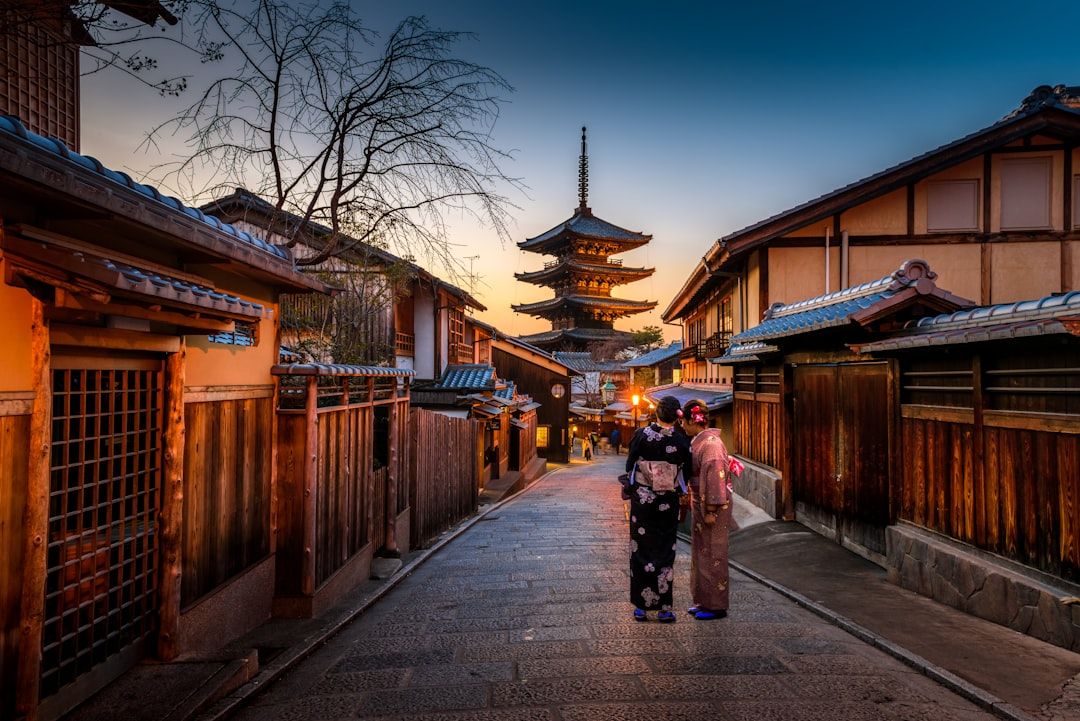
Kyoto has more temples than anyone can visit and a crowding problem that has become the defining feature of a visit. The single most useful decision is not which tour to book but what time to leave the hotel.

The timing rule
| Site | At opening | By 11am |
|---|---|---|
| Fushimi Inari | Quiet mountain path | Continuous queue |
| Kiyomizu-dera | Calm | Shoulder to shoulder |
| Arashiyama bamboo | Nearly empty | Unwalkable |
| Kinkaku-ji | Manageable | Coach parties |
Fushimi Inari is open 24 hours and has no admission fee, so 6am is genuinely available. Most temples open between 6 and 8.
The other half of the rule: keep walking. At Fushimi Inari the vast majority turn back at the Yotsutsuji viewpoint halfway up. The upper torii sections are quiet at almost any hour, and the full loop takes two to three hours.
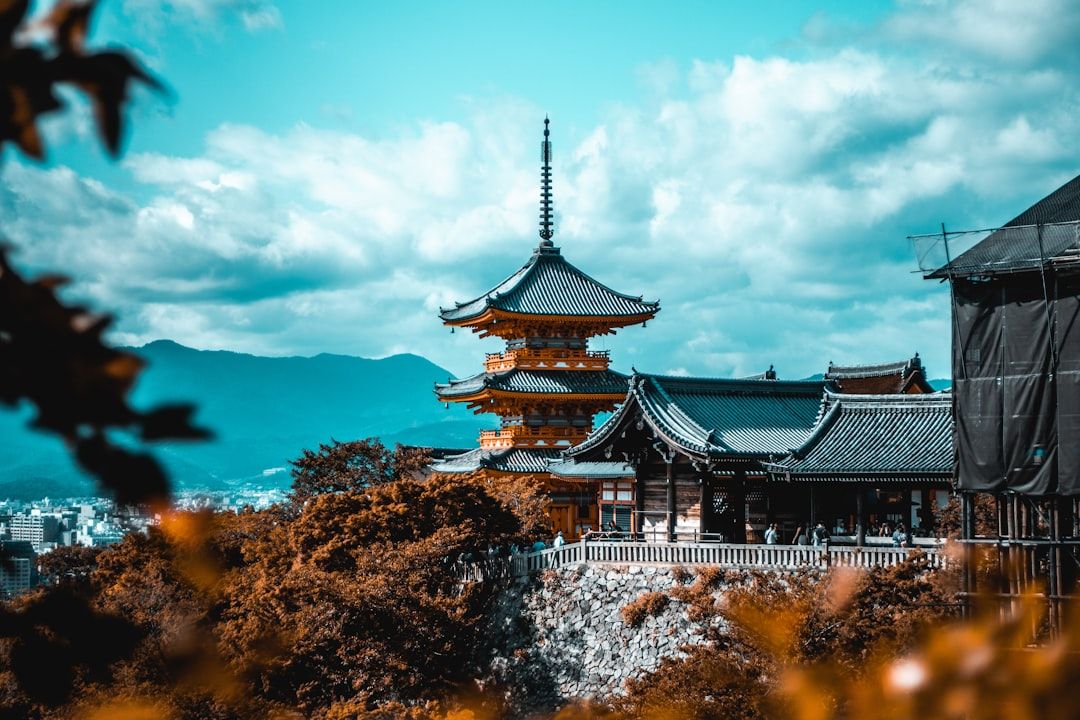
Go one temple over
For every famous site there is an equivalent nearby with a tenth of the visitors.
Instead of Kinkaku-ji, the golden pavilion: Ryōan-ji, with the most famous rock garden in Japan, ten minutes away.
Instead of the Arashiyama bamboo grove at midday: the Sagano scenic railway, or the walk up to Ōkōchi Sansō villa, or Gio-ji with its moss garden.
Instead of Gion at the hour everyone hunts for geiko: the quieter streets of Miyagawa-chō. Note that photographing geiko and maiko in the private lanes of Gion is now restricted and fined, and it is worth respecting rather than testing.

Where a guide adds something
A tea ceremony, in a small session rather than a large demonstration. A proper ceremony for a handful of guests, explained as it goes, is genuinely a cultural experience. The thirty-person hotel demonstrations are not.
The gardens, if you want to understand them. The distinction between a dry landscape garden, a stroll garden and a tea garden is deliberate, and the design principles — borrowed scenery, hidden and revealed views — are not obvious from looking.
The Zen and Pure Land distinction, which explains why the temples look and feel different from one another.
Do independently
Almost everything else. Kyoto's temples are well signposted in English and reward quiet time rather than commentary.
The Philosopher's Path between Ginkaku-ji and Nanzen-ji, particularly early.
Nishiki Market in the morning, before the tour groups.
Nara, 45 minutes away — Tōdai-ji's great Buddha hall and the deer park. As a day trip it needs no guide.
Cycling. Kyoto is flat and compact and a rental bike is the best way to move between temples, avoiding the crowded buses entirely.
Practical
Buses are slow and crowded. The subway is limited but useful, and cycling beats both.
Autumn colour peaks in the last third of November in Kyoto, and cherry blossom in the first week of April. Both are extraordinary and both bring crowding at Golden Week levels with prices to match.
Many temples close at 4:30 or 5pm, earlier than visitors expect, so late afternoon is not a substitute for early morning.