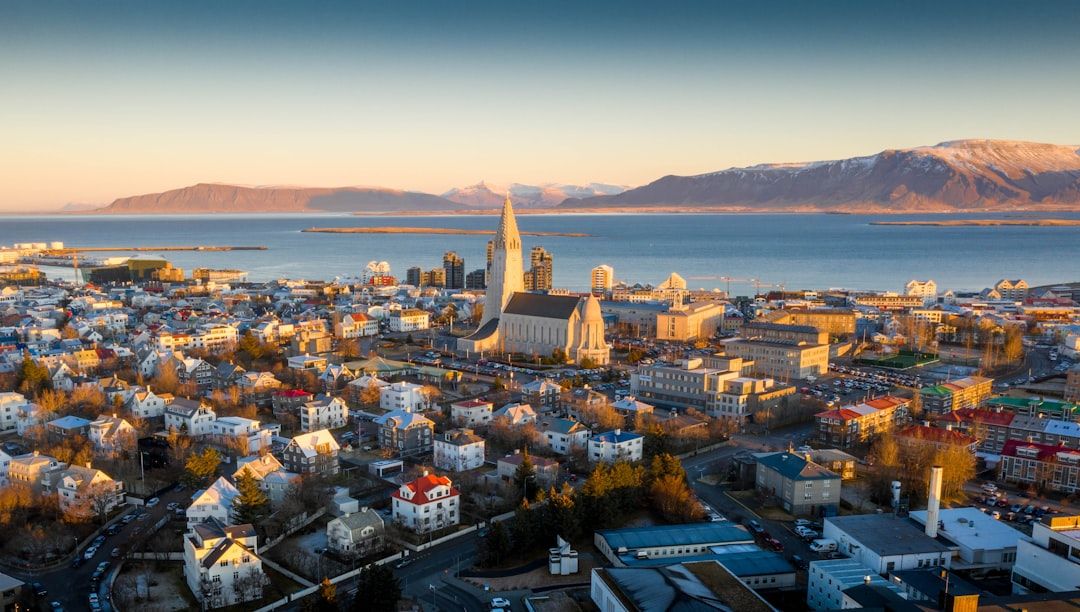
Iceland is fundamentally a self-drive country. The tours worth buying are the ones where a guide provides equipment, expertise or access you genuinely cannot arrange — and there are exactly three categories.
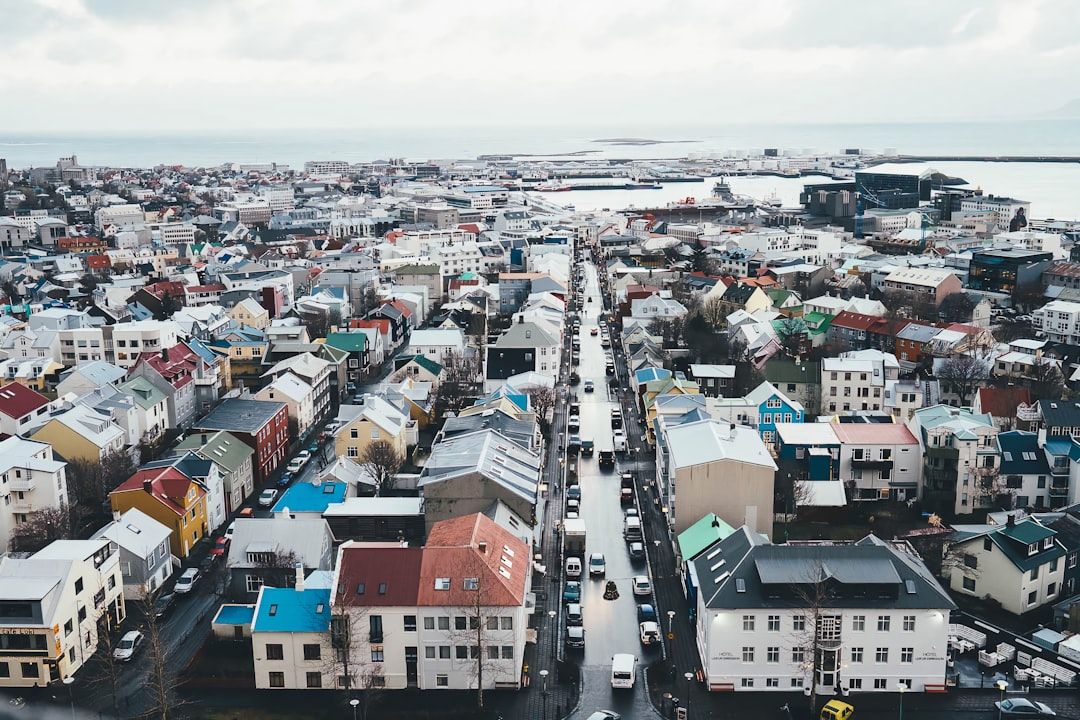
Take a tour for these
Glacier walking. Not optional. It requires crampons, ice axes and current knowledge of crevasse conditions, which change constantly. Walking unguided onto a glacier is genuinely dangerous and people have died doing it.
Sólheimajökull on the south coast is the accessible one; Vatnajökull offers longer walks.
Ice caves. Winter only, roughly November to March, and entirely dependent on conditions — the caves form and collapse each season. Access is by guided super-jeep from Jökulsárlón or Vatnajökull. There is no independent version.
The highlands. F-roads legally require a 4x4 and involve unbridged river crossings that most rental insurance explicitly excludes. A misjudged crossing can be an uninsured write-off.
The highland buses to Landmannalaugar and Þórsmörk run roughly late June to early September, cost far less than a 4x4 hire, and remove the risk entirely. This is the sensible choice for most visitors.
Drive yourself for these
The Golden Circle. Þingvellir, Geysir and Gullfoss are on a short loop from Reykjavik on good paved roads. Driving it means arriving outside the coach windows, which is the whole difference between a visit and a queue.
The south coast. Seljalandsfoss, Skógafoss, Reynisfjara, Jökulsárlón. All roadside, all paved access.
The Ring Road and the Westfjords.
Whale watching is a boat trip rather than a tour in the guiding sense — Húsavík in the north has the best success rates, better than Reykjavik.
The aurora question
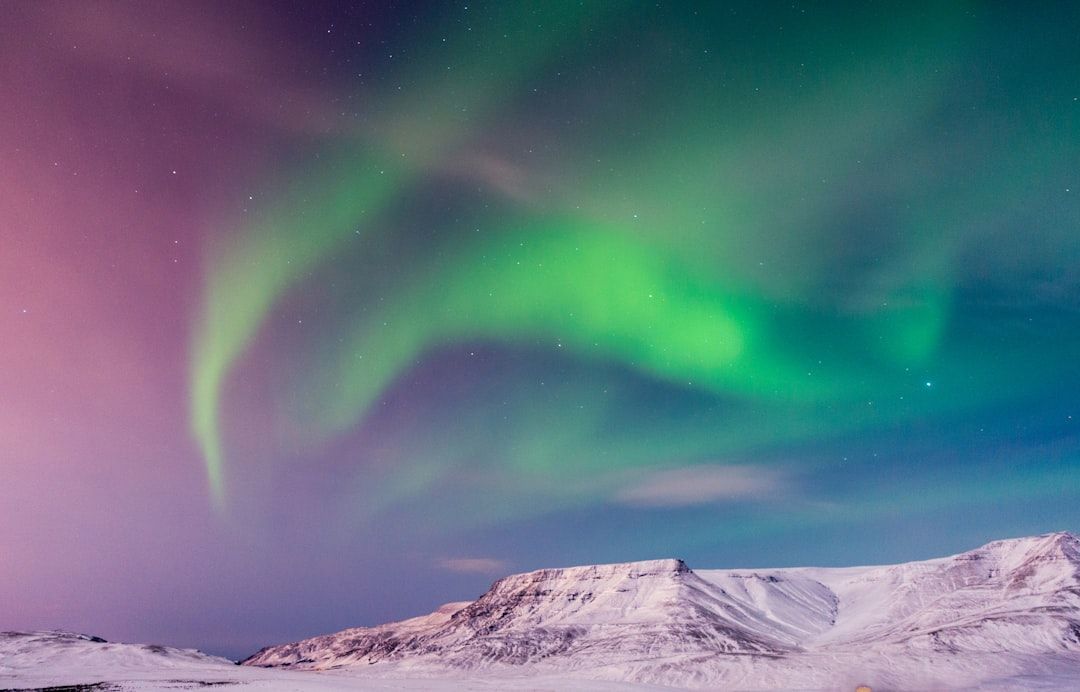
Guided aurora tours add one real thing: local knowledge of where the sky is clear tonight. In a country where cloud rather than solar activity is usually the limiting factor, that is worth something.
But if you have a car, you can check vedur.is for the aurora forecast and cloud cover yourself and drive away from Reykjavik's light pollution for nothing.
Either way: two or three attempts across a trip beat one. The season runs roughly late September to mid-April, and it needs darkness, clear sky and activity simultaneously.
The two insurances, whatever you do
If you rent:
Gravel protection, because chipped windscreens are near-universal.
Sand and ash protection, because south-coast sandstorms can strip a car's paint entirely with bills running into thousands.
Neither is covered by standard collision waiver, and both are the one piece of rental upselling anywhere that is genuinely worth taking.
Costs compared
| Activity | Guided | Independent |
|---|---|---|
| Golden Circle | ISK 10–15,000 | Fuel only |
| Glacier walk | ISK 15–25,000 | Not possible |
| Ice cave | ISK 20–30,000 | Not possible |
| Landmannalaugar | Bus ISK 12–15,000 | 4x4 hire + risk |
| Aurora hunt | ISK 8–12,000 | Fuel only |
The pattern: pay for expertise and equipment, drive to everything else.
One free thing worth more than most tours
The municipal swimming pools. Every town has one, geothermally heated, a few hundred krónur, with hot tubs where Icelandic social life actually happens. Better than the Blue Lagoon at a twentieth of the price.