Bangkok is walkable within districts and impossible between them, and the constraint that governs everything is heat. Midday walking here is not a plan, it is an endurance test.
The timing rule
Before 10am and after 4pm. Midday routinely exceeds 33°C with high humidity, and March to May is worse.
The local pattern is to be outside early and late and indoors in between. Structuring a day around it — temple at 8am, long lunch and a mall or a spa in the afternoon, street food from 6pm — is what makes Bangkok pleasant rather than exhausting.
1. Rattanakosin — the old royal island
Start 8am, 3 hours
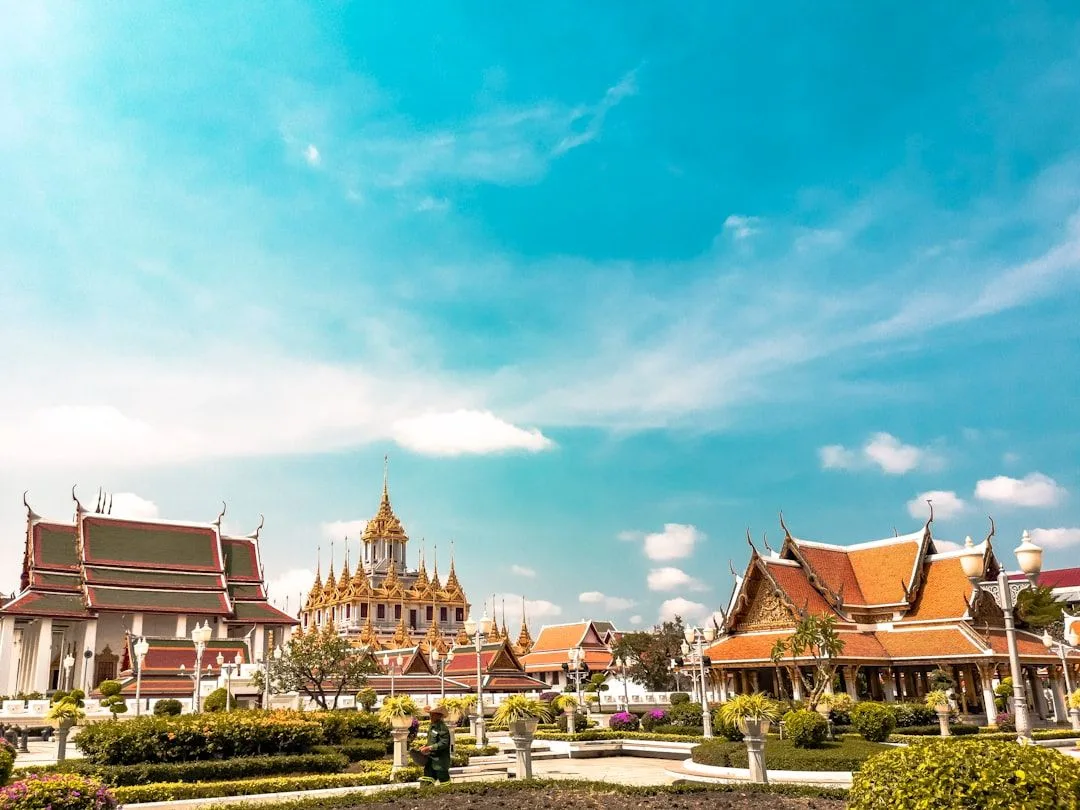
The Grand Palace and Wat Phra Kaew at opening, before the heat and the crowds. Strict dress code — shoulders and knees covered, coverings rented at the gate.
Then Wat Pho next door for the reclining Buddha and the traditional massage school, which is the best massage in the city at a fraction of hotel prices.
Cross the river on the small ferry to Wat Arun.
Ignore anyone outside the palace telling you it is closed for a ceremony. It is not; it is a well-worn setup ending at a gem shop.
2. Chinatown — Yaowarat after dark
Start 5pm
Come in the late afternoon for Pak Khlong Talat, the 24-hour flower market, then work into Chinatown as the light goes and the street kitchens set up from around 6pm.
Oyster omelettes, roast duck, guay jub, and the mango sticky rice stalls with queues down the block. This is the best eating in the city and it is entirely a night activity.
3. Thonburi and the canals
Morning, 2–3 hours
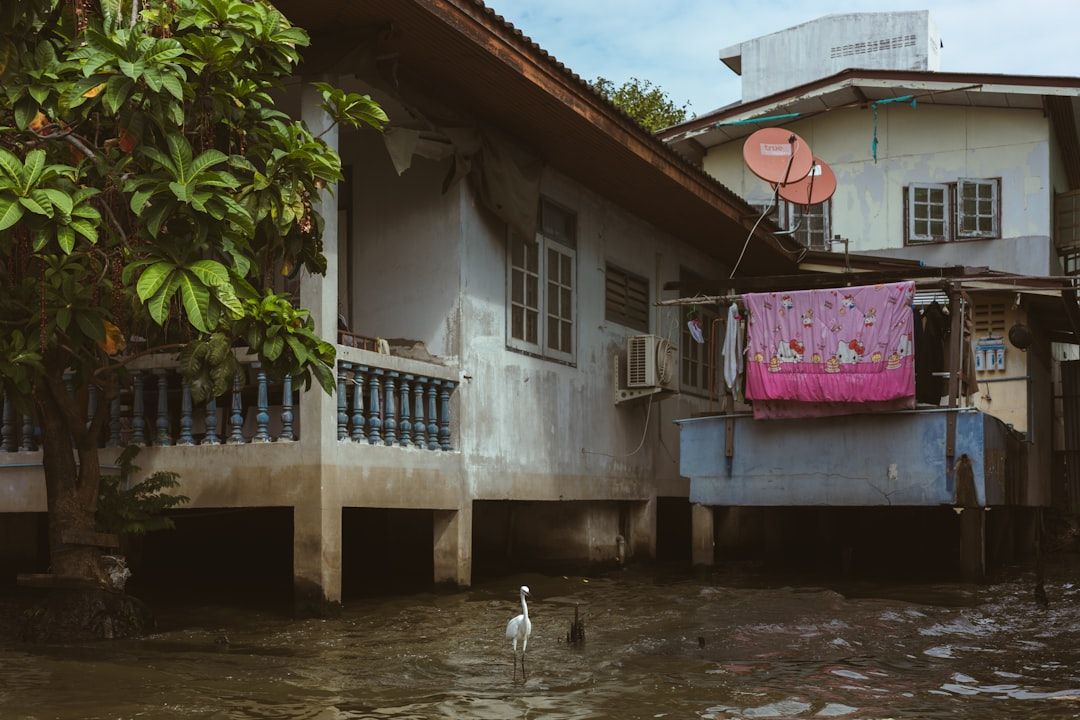
The west bank, which most visitors cross only for Wat Arun. Hire a longtail boat through the khlongs — canals with teak houses on stilts, monitor lizards, and a version of Bangkok that looks nothing like Sukhumvit.
Negotiate the price and route before boarding; an hour to ninety minutes is plenty.
4. Bang Krachao — the green lung
Morning, half day
An artificial island in a loop of the river, kept undeveloped, crossed by raised concrete cycle paths through mangrove and jungle.
A ten-minute boat from Klong Toey pier and a bicycle rented on the other side. There is a weekend floating market at Bang Nam Pheung.
This is the best half-day in Bangkok and most visitors never hear of it.
5. Ari — the residential city
Morning or evening
Two BTS stops north of Victory Monument. Low-rise streets, independent cafés, good restaurants, and almost no tourists.
Not a sightseeing walk — a neighbourhood walk, which is a different and better thing after three days of temples.
Getting between them
The BTS and MRT avoid the traffic entirely and are cheap and air conditioned. The Chao Phraya express boat reaches the old city for 16–33 baht and is both transport and sightseeing.
Taxis are inexpensive and subject to serious congestion — for anything the train reaches, take the train. Insist on the meter or use Grab.
Temple etiquette
Shoulders and knees covered. Shoes off where indicated. Do not point your feet at a Buddha image or at a monk — the feet are the lowest part of the body in Thai thinking and this is a genuine offence.
Women should not touch a monk or hand objects directly to one.
Season
November to February is the cool dry season and the only comfortable window for sustained walking. March to May is brutal. June to October brings heavy afternoon rain, which actually suits the early-and-late pattern well.